

When Is the Best Time to Take Probiotics?
Key takeaways
- The best time to take probiotics for gut health is with a meal or about 30 minutes before one, ideally a meal containing some fat.
- Time of day matters less than consistency: pick a slot you will actually keep every day.
- Space standard probiotic strains one to two hours apart from antibiotics, and keep taking them for a couple of weeks after the course ends.
- Skip pairing your dose with coffee or orange juice, since extra acid works against the live cultures.
- Microencapsulation helps live cultures survive stomach acid, which makes exact timing far less fragile.
The best time to take probiotics for gut health is with a meal, or about 30 minutes before one, and taken at the same time every single day. If you are wondering whether morning or night makes the difference, the honest answer is that food and consistency matter far more than the hour on the clock.
Timing is one of the most common questions we hear, and it is a good one. You are investing in your gut microbiome, so you want those live cultures to actually reach your intestines alive. The good news is that the rules are simple, forgiving, and easy to build into your day. Let's walk through them.
Morning vs Night: Is There a Best Time to Take Probiotics for Gut Health?
Here is the short version: the time of day is not the make-or-break factor most people assume it is. Your gut does not run on a strict schedule that only accepts good bacteria at dawn.
That said, there is a small practical edge to mornings. As the Cleveland Clinic notes, your bowels are more active when you are up and moving, so a morning dose fits naturally into that rhythm. A morning routine is also easier to keep, which brings us to the real deciding factor.
The thing that truly matters is picking one time and sticking to it. Whether that is breakfast, lunch, or your evening meal, a consistent daily slot gives the good bacteria a steady, predictable environment to settle into.
- Morning: Easy to remember, pairs well with breakfast, matches your body's natural activity.
- Evening: Works well if dinner is your most reliable meal or if mornings are chaotic.
- The winner: Whichever one you will genuinely repeat every day.
If you would like the deeper science on how these cultures interact with your gut, our guide on probiotics and gut health breaks it down in plain language.
Taking Probiotics With or Without Food
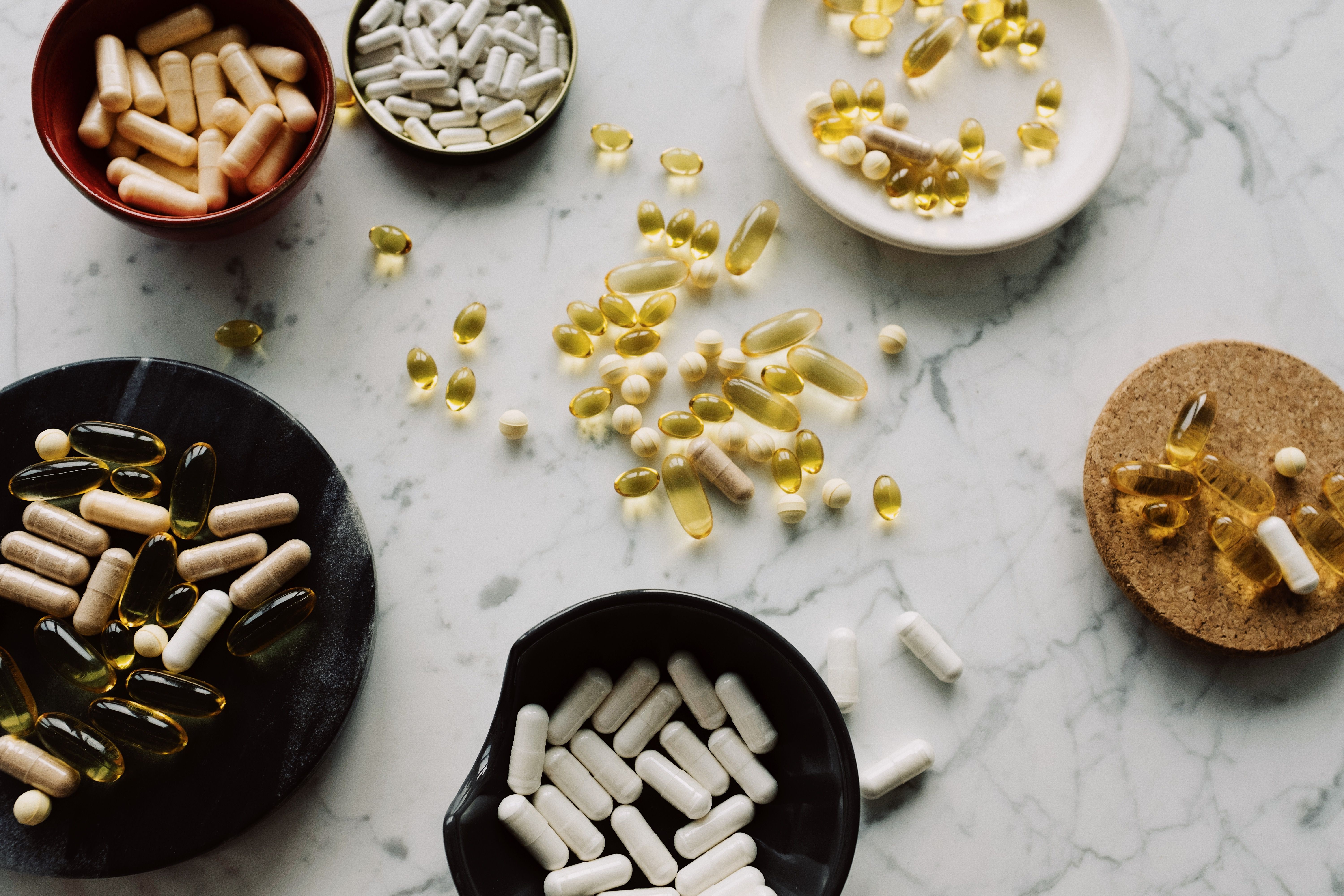
This is where timing genuinely earns its keep. The single most useful habit is to take your probiotic with food, or roughly 30 minutes before a meal.
Why does food help? Your stomach is a harsh place by design. Its acid sits at a very low pH so it can break down what you eat and neutralize unwanted microbes. Live probiotic cultures have to pass through that acid to reach your intestines, where the environment is far gentler and where they do their work.
A meal changes the math. According to the International Probiotics Association, survival of the bacteria was best when the supplement was given with a meal or 30 minutes before one, ideally a meal containing some fat. In the same research, cultures taken 30 minutes after a meal did not survive in high numbers. The fat and food buffer the acid just enough to give the good bacteria safe passage.
A few practical pointers:
- Do take your probiotic alongside a meal that includes some healthy fat, such as yogurt, avocado, nuts, or eggs.
- Do aim for that 30-minute-before window if taking it exactly at mealtime is inconvenient.
- Avoid washing it down with coffee or orange juice on their own, since both add extra acid to your stomach and work against the cultures.
There is one important exception. Not all probiotics are equally fragile. Products built with protective delivery technology are far less dependent on perfect timing, because the cultures are shielded from stomach acid regardless of what is in your stomach.
Where Delivery Technology Changes the Picture
This is the core problem Velobiotics was formulated to solve. Our range uses patented Microencapsulation with Supercritical CO2 (MEP) technology, which wraps each live culture in a protective shield so that up to 1000 times more survive stomach acid and reach the gut alive.
In plain terms, microencapsulation takes a lot of the pressure off timing. You still get the best experience by taking your dose with a meal out of good habit, but you are no longer relying on a narrow window to protect delicate bacteria.
How to Pair Probiotics With Antibiotics
Antibiotics are a common reason people reach for probiotics in the first place, and understandably so. Antibiotics do not distinguish between harmful bacteria and the friendly bacteria in your gut, so a course can leave your microbiome depleted.
Taking a probiotic during and after antibiotics can help, but the timing here is worth getting right. The concern is simple: if you swallow both at the same moment, the antibiotic may kill the good bacteria you just took.
The general guidance is to separate them:
- Space them out. Take most probiotic strains one to two hours before or after your antibiotic dose so the medication is not sitting in your gut alongside the fresh cultures.
- Keep going after the course. Continue your probiotic for at least two weeks after you finish the antibiotics, giving your microbiome time to rebuild.
- Know the exception. Certain yeast-based cultures, such as Saccharomyces boulardii, are not affected by antibiotics because they are a yeast rather than a bacterium, so they can be taken at the same time.
As always, if you are on medication, it is sensible to check with your doctor or pharmacist about your specific prescription.
Consistency vs Perfect Timing for Results
If you take one idea away from this article, let it be this: showing up every day beats getting the timing perfect once in a while.
Your gut microbiome is a living community, and probiotics support it best through steady, regular contributions rather than occasional big efforts. A single dose does not permanently colonize your gut. Daily intake keeps a helpful population topped up so the good bacteria can influence your digestion, bloating, and balance over time.
That is why a missed day is not a crisis. If you forget, simply pick up your routine the next day. What you are building is a habit measured in weeks and months, not a single flawless dose.
- Perfect timing, done occasionally: limited, short-lived benefit.
- Good-enough timing, done daily: the approach that actually moves the needle.
Most people begin to notice changes within a few days to a couple of weeks, with fuller benefits building over roughly two to four weeks of consistent use.
Simple Ways to Remember Your Daily Dose
The best routine is the one you never have to think about. Here are a few easy ways to lock in a consistent probiotic habit.
- Anchor it to an existing habit. Keep your probiotic next to your coffee maker, kettle, or toothbrush so it rides on a routine you already do without fail.
- Pair it with a specific meal. Deciding "I take it with breakfast" removes the daily decision and covers the with-food guidance at the same time.
- Set a phone reminder. A simple daily alarm at the same time is a reliable backstop, especially in the first few weeks before the habit sticks.
- Use a visible pill organizer. Seeing an empty slot for the day is a quick, satisfying way to confirm you have taken your dose.
- Store it properly. Follow the label for storage so your cultures stay viable, and keep the bottle somewhere you will see it.
Small systems like these turn a good intention into an automatic part of your day, which is exactly what your gut microbiome rewards.
Putting It All Together
To get the most from your probiotic, take it with a meal or shortly before one, keep it away from coffee and orange juice, space it out from any antibiotics, and above all take it at the same time every day. The clock hour matters far less than the daily habit.
If you are choosing a probiotic and want timing to be one less thing to worry about, look for a formula built to survive stomach acid rather than one that depends on perfect conditions. That is exactly the problem Velobiotics MEP microencapsulation was designed to handle. When you are ready to find the right fit for your needs, take the BioMatch quiz or explore the Velobiotics range to match a doctor-formulated formula to your goals.
Frequently asked questions
Should I take probiotics in the morning or at night?
Either works. What matters more is taking them at the same time each day, ideally with a meal. Many people find mornings easiest to remember because bowels are more active when you are up and moving.
Do I need to take probiotics on an empty stomach?
No. Research suggests live cultures survive best when taken with a meal or shortly before one, because food helps buffer stomach acid. An empty stomach is more acidic and harder on the bacteria.
Can I take probiotics with antibiotics?
Yes, but space most strains one to two hours apart from your antibiotic dose so the medication does not kill the good bacteria. Continue the probiotic for about two weeks after you finish the course.
How long until probiotics start working?
Some people notice digestive changes within a few days, while fuller benefits often take two to four weeks of daily use. Consistency is what allows the good bacteria to establish.
Does it matter if I miss a day?
A missed day now and then will not undo your progress. Just resume your normal routine the next day. The goal is steady, regular intake over weeks, not perfection.